Did You Know?
Fascinating facts about Nepal's mountains, culture, and trekking traditions.
Sagarmatha = "Forehead of the Sky"
Everest's Nepali name Sagarmatha means "goddess of the sky" while Tibetans call it Chomolungma, "mother of the world."
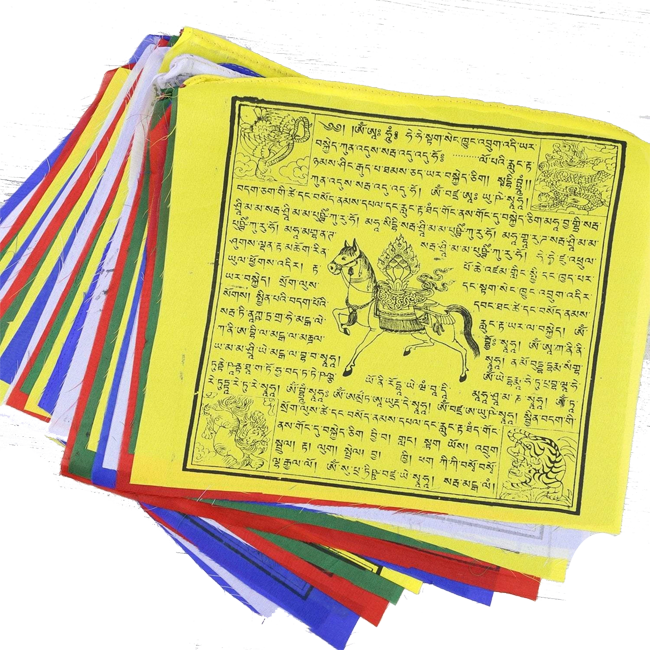
Prayer Flags Carry Blessings
Colorful prayer flags represent the five elements. Wind carries prayers and mantras from the flags to bless the land and all beings.
Teahouse Trekking Culture
Nepal pioneered teahouse trekking in the 1970s. Family-run lodges offer meals and beds along trails, creating sustainable mountain tourism.
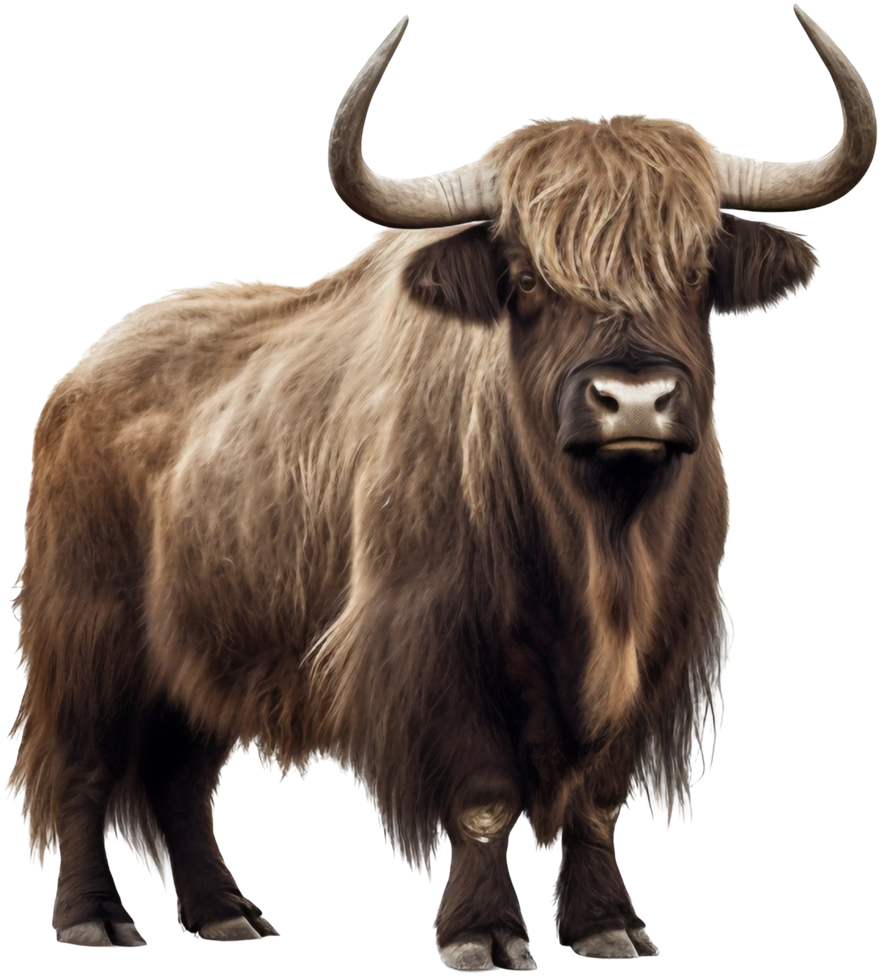
Yaks Are Mountain Heroes
Yaks carry supplies up to 5,000m altitude. Their thick fur, strong hooves, and ability to survive on sparse vegetation make them perfect for mountain life.
Rhododendron National Flower
Nepal has 30+ species of rhododendron. These brilliant red, pink, and white blooms cover hillsides in spring, creating stunning natural gardens.
Sherpa Mountain Experts
Sherpas are an ethnic group from the Everest region. Their genetic adaptation to altitude and mountain expertise make them legendary guides and climbers.
Mani Stones & Stupas
Hand-carved stones with mantras line trails. Always walk clockwise around them to show respect. Stupas are Buddhist monuments found at passes and villages.
Altitude Acclimatization is Key
Above 3,000m, ascend slowly. "Climb high, sleep low" helps your body adapt. Proper acclimatization prevents altitude sickness and ensures safe trekking.
Best Trekking Seasons
Spring (March-May) offers blooming rhododendrons. Autumn (Sept-Nov) brings clear skies and mountain views. Winter and monsoon have fewer crowds.
Rare Himalayan Wildlife
Red pandas, snow leopards, Himalayan tahr, and musk deer roam Nepal's mountains. National parks protect these endangered species and their habitats.
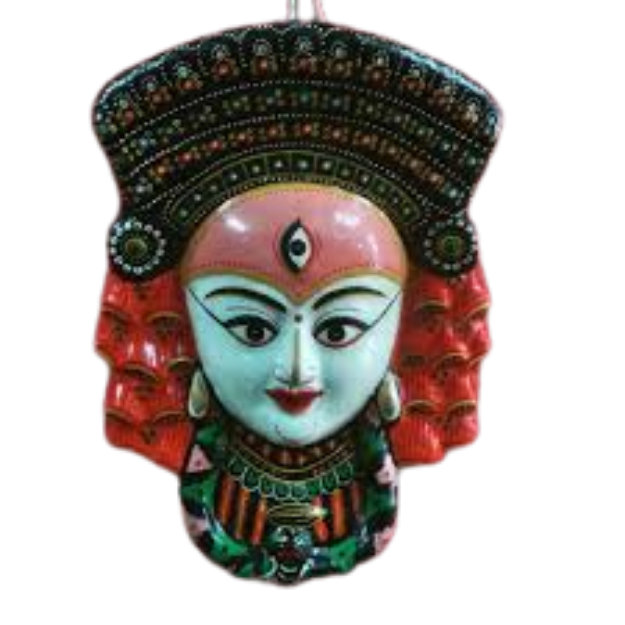
The Living Goddess Kumari
Nepal has a unique tradition of the Kumari, a young girl worshipped as a living goddess in Kathmandu and other cities until puberty.
Birthplace of Buddha
Lumbini, in southern Nepal, is where Siddhartha Gautama (Buddha) was born in 563 BCE. It's a UNESCO World Heritage Site and pilgrimage destination.
Regions of Trekking Nepal
Each region offers unique landscapes, cultures, and mountain experiences.
Everest Region
- Home to the world's highest peak - Mount Everest
- Rich Sherpa culture and Buddhist monasteries
- Iconic trails: Base Camp, Gokyo Lakes, Three Passes
Annapurna Region
- Most diverse landscapes from jungle to desert
- Poon Hill sunrise and Annapurna Circuit classics
- Well-developed teahouse infrastructure
Langtang Region
- Closest trekking region to Kathmandu
- Tamang cultural heritage and traditions
- Beautiful alpine valleys and sacred lakes
Manaslu Region
- Remote and less crowded than Everest/Annapurna
- Spectacular views of 8th highest mountain
- Challenging passes and authentic village life
Respectful Travel Tips
Travel mindfully and honor local customs on your Himalayan journey.
- Always ask permission before taking photos of people
- Walk clockwise around stupas, mani stones, and monasteries
- Remove shoes before entering temples and homes
- Keep mountain trails clean - pack out all trash (Leave No Trace)
- Use reusable water bottles and purification tablets
- Dress modestly, especially when visiting religious sites
धन्यवाद
Dhanyabad = Thank you
Namaste (नमस्ते) is a respectful greeting meaning "I bow to the divine in you."
Altitude awareness: Above 3,000m, ascend gradually. Symptoms of altitude sickness include headache, nausea, and dizziness. Descend immediately if symptoms worsen. Always trek with a licensed guide who knows the signs.
Hydration & preparation: Drink 3-4 liters of water daily at altitude. Start fitness training 8-12 weeks before your trek. Carry comprehensive travel insurance that covers helicopter evacuation.
Leave No Trace: Nepal's mountains are fragile ecosystems. Minimize your impact, respect wildlife, support local communities, and help preserve these landscapes for future generations.